
Scalping is one of the most fast-paced trading styles, requiring precision, discipline, and a clear plan. This case study examines a winning scalping setup executed in today’s market, highlighting the technical and strategic factors that contributed to its success. By breaking down the trade step by step, traders can understand how to apply these principles in real time and improve their own scalping performance.
Market Context
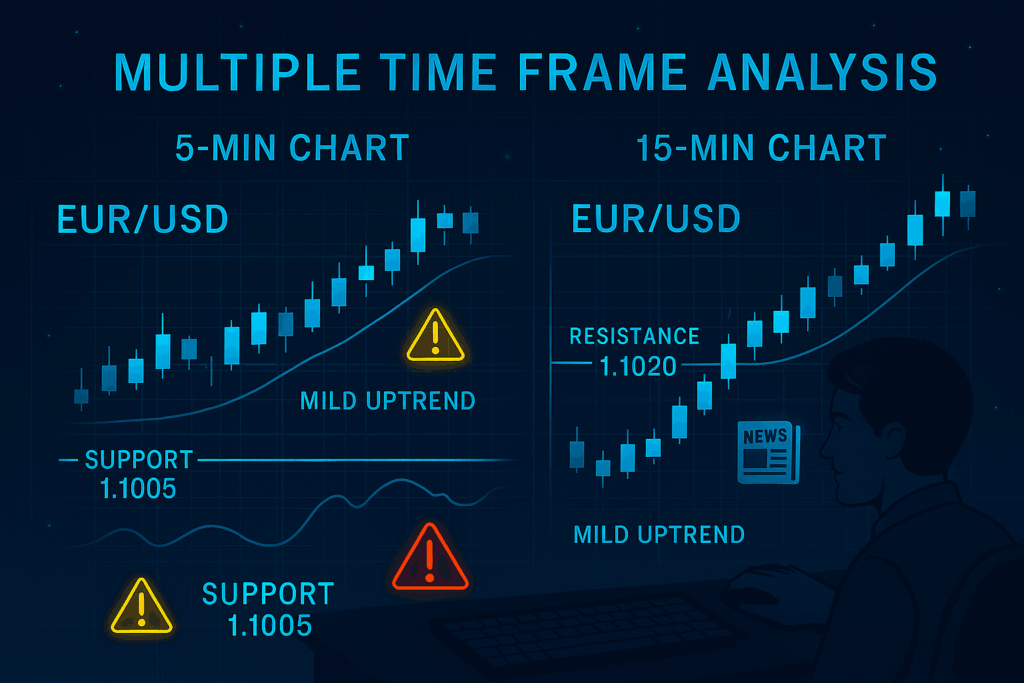
The setup occurred during a high-volume trading session in the EUR/USD pair. The market was trending slightly upward on the 5-minute chart, with key intraday support and resistance levels clearly defined. Scalping requires small, quick moves, so identifying areas where price reacts consistently is critical.
Key market factors today:
- Trend: Mild uptrend on the 15-minute chart, confirmed by moving averages.
- Volatility: Increased due to intraday economic data releases, offering short-term trading opportunities.
- Support/Resistance: A previous swing low near 1.1005 acted as strong support, while a round number at 1.1020 served as immediate resistance.
Identifying the Scalping Setup
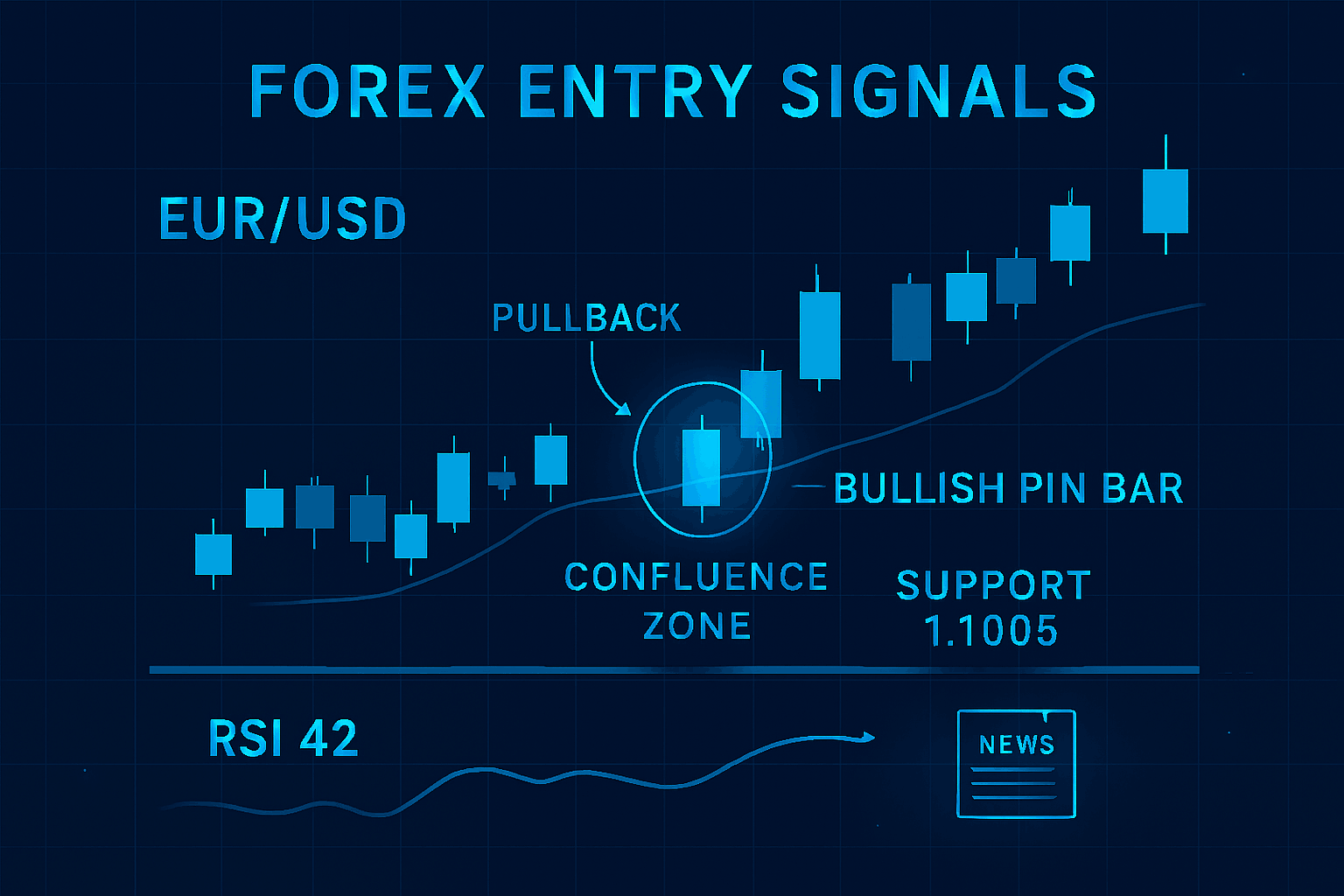
The setup relied on confluence of technical signals and market context:
- Pullback to Support: Price retraced from the intraday high back toward the support at 1.1005. Pullbacks in trending markets often offer optimal scalping entries.
- Candlestick Confirmation: A bullish pin bar formed exactly at the support level, indicating a rejection of lower prices and potential continuation of the uptrend.
- Momentum Indicator: RSI had dipped to 42, then began moving upward, confirming a shift from temporary oversold conditions back in line with the trend.
Entry and Execution
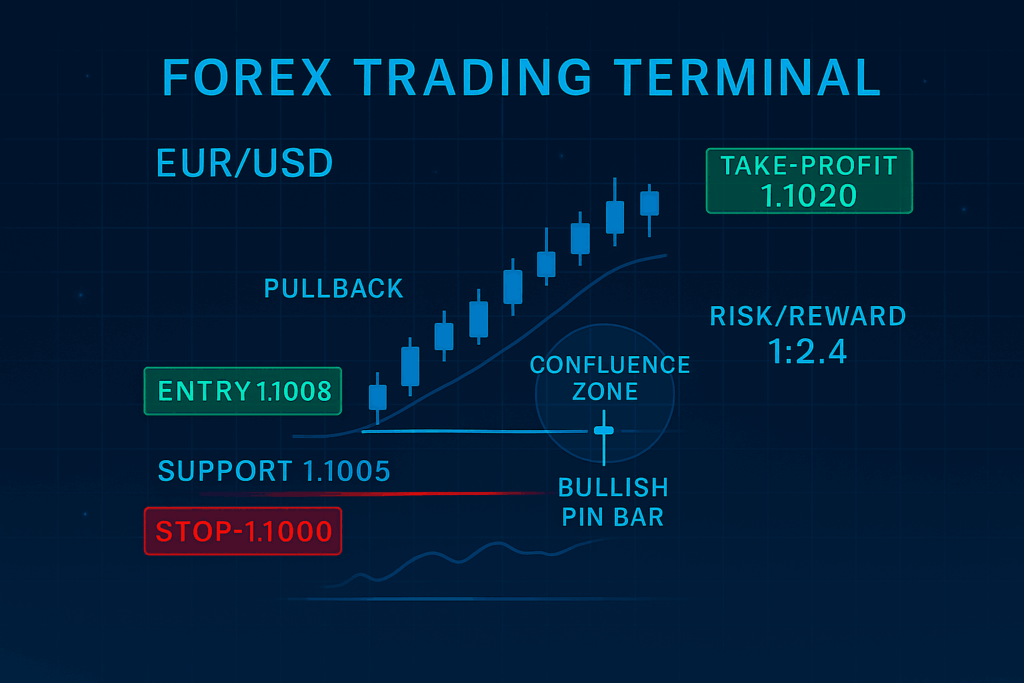
The entry was executed at 1.1008, just above the support level, with strict adherence to risk management principles:
- Stop-Loss: Placed 5 pips below the support at 1.1000, allowing room for minor price fluctuations while protecting capital.
- Take-Profit: Target set at the next intraday resistance around 1.1020, offering a risk/reward ratio of approximately 1:2.4.
Execution was fast, taking advantage of the tight timeframe typical for scalping trades. Scalpers must act quickly but decisively, without hesitation or emotional bias.
Trade Management
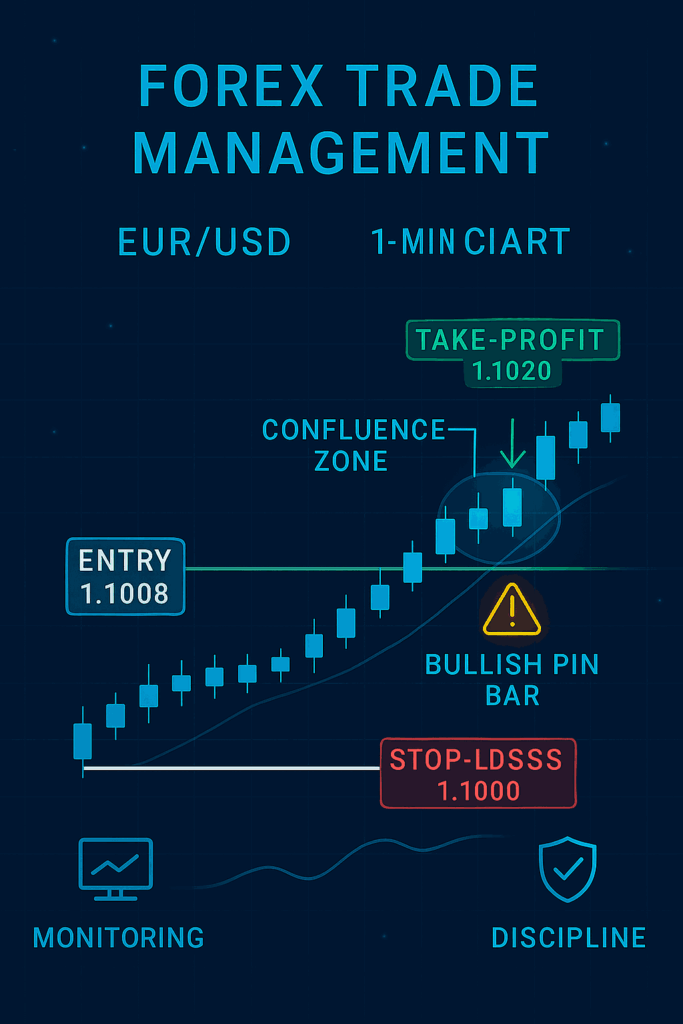
Once the trade was active, the key considerations included:
- Monitoring Price Action: Observing 1-minute candles to ensure the upward momentum remained intact.
- Adjusting Stops: As price moved in favor of the trade, the stop-loss was trailed slightly higher to lock in gains and reduce risk.
- Avoiding Overtrading: Once the first target was achieved, the position was closed instead of chasing additional pips, maintaining disciplined trading.
Outcome and Lessons Learned

The trade reached the take-profit target in under 15 minutes, resulting in a small but consistent gain. Key takeaways from this scalping setup include:
- Confluence Matters: Aligning support/resistance, candlestick signals, and momentum indicators increases the probability of a successful scalp.
- Risk Management Is Critical: Tight stop-losses and realistic profit targets protect capital and maintain discipline.
- Market Awareness: Scalping is only effective during sessions with sufficient volatility; understanding the market environment is essential.
- Patience and Timing: Waiting for a proper entry rather than jumping in impulsively ensures higher-quality trades.
Conclusion

This real-time case study demonstrates how a disciplined, confluence-driven scalping approach can deliver reliable results. Scalping requires speed, precision, and strong risk control, but when applied thoughtfully, it allows traders to capture small, high-probability moves consistently. By analyzing setups like this, traders can refine their strategies, recognize key signals in real time, and build confidence in executing quick, profitable trades while keeping risk under control.