Reactions to breaking news events can create some of the most volatile and unpredictable moments in the forex market. From unexpected central bank decisions to geopolitical developments, these events often trigger rapid price movements that can present both opportunities and risks for traders. Knowing when to act and when to stay out is essential to protect capital and maximize potential gains.
Understanding Market Reactions to News
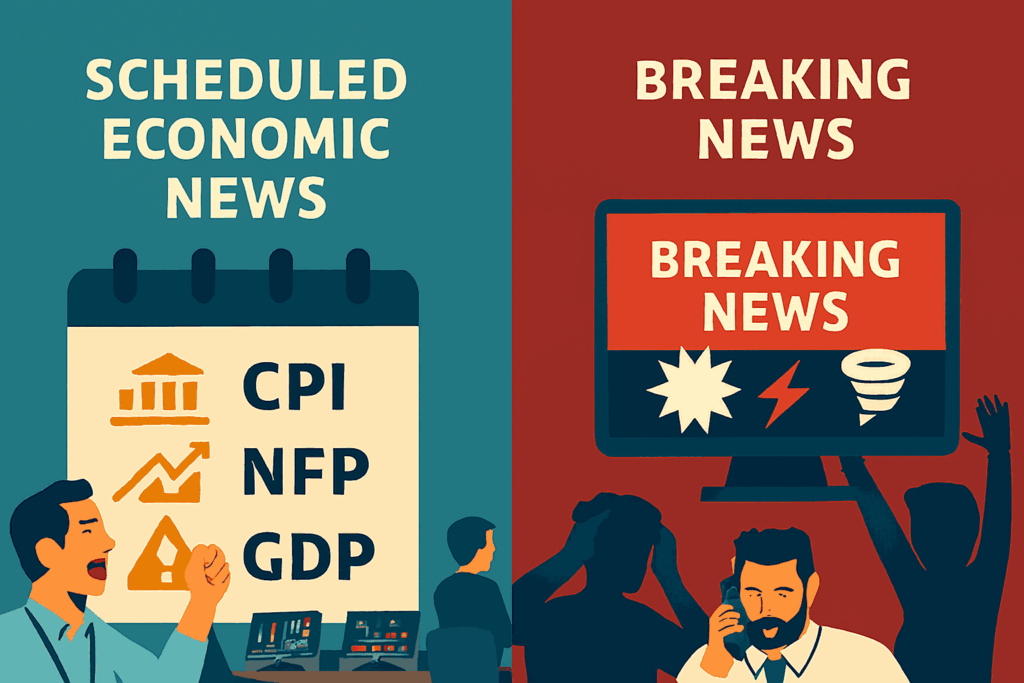
Markets react to news based on the perceived impact on economic fundamentals, risk sentiment, and liquidity. Not all news causes the same reaction:
- Scheduled High-Impact Releases: Examples include Nonfarm Payrolls (NFP), CPI, GDP, and interest rate decisions. These are anticipated events with forecasts, but deviations from expectations can cause sharp moves.
- Unexpected News: Geopolitical tensions, sudden policy announcements, or natural disasters often trigger surprise reactions, leading to heightened volatility and unpredictable swings.
Price action immediately following news often reflects initial overreactions, followed by more rational positioning as traders digest the data. Understanding this helps determine the best time to enter or avoid trades.
When to Jump In
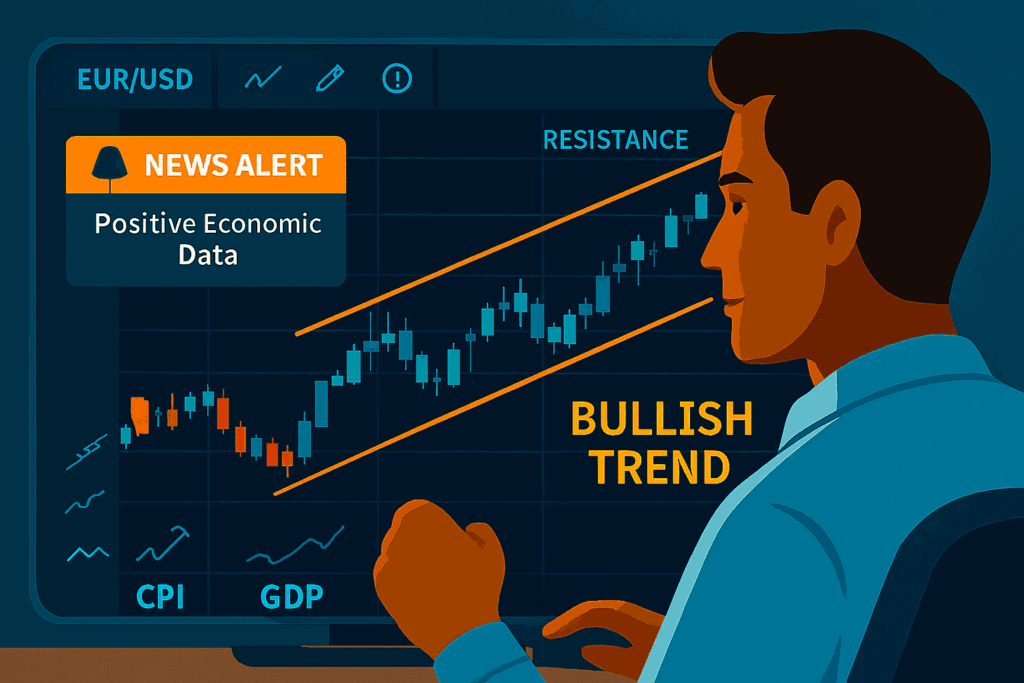
- Clear Market Consensus: If the news confirms an ongoing trend or aligns with prevailing sentiment, it can be safer to enter once the initial spike stabilizes.
- Volatility Opportunities: High-impact news can create breakout trades or momentum plays. Traders can plan entry points near confirmed levels of support or resistance after the initial reaction.
- Technical Confluence: Combining news reactions with technical levels increases the probability of success. For example, if EUR/USD reacts bullishly to positive Eurozone data and breaks above a key resistance level, a momentum trade may be justified.
When to Stay Out
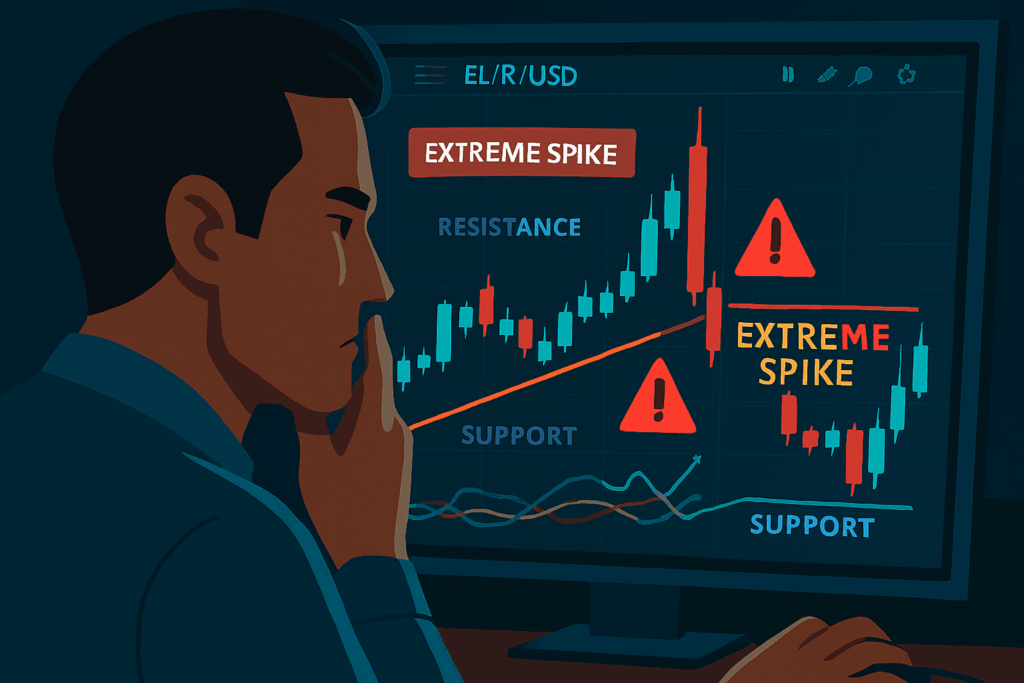
- Excessive Spikes: Sudden, extreme movements can lead to slippage or stop-hunting. Entering during the initial spike often carries higher risk.
- Contradictory Signals: If technical indicators suggest consolidation or reversal while news triggers a directional spike, it’s safer to wait for clarity.
- Low Liquidity Periods: Trading outside major sessions during breaking news can increase spreads and reduce execution reliability, particularly for smaller accounts.
Risk Management Tips
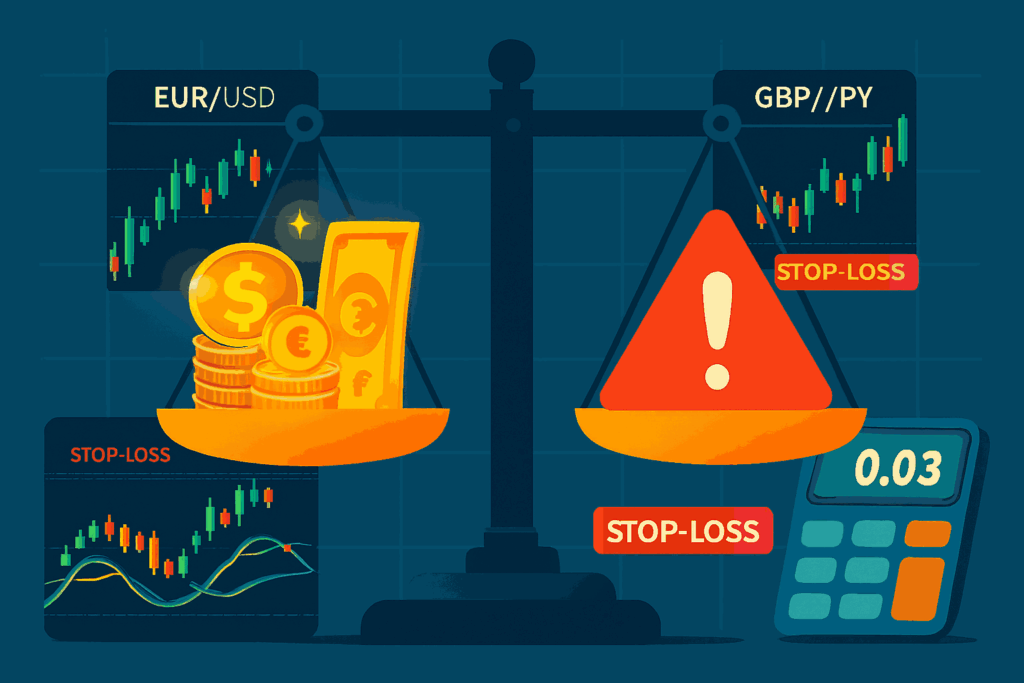
- Use Appropriate Position Sizes: Volatility can magnify both gains and losses. Scaling down positions during news events helps protect capital.
- Set Stops Strategically: Avoid tight stops that may be triggered by noise; instead, use technical levels or average true range (ATR)-based stops.
- Have an Exit Plan: Decide in advance whether you are aiming for short-term scalp profits or longer-term trend trades. News-driven moves can reverse quickly, so clarity is essential.
Practical Example
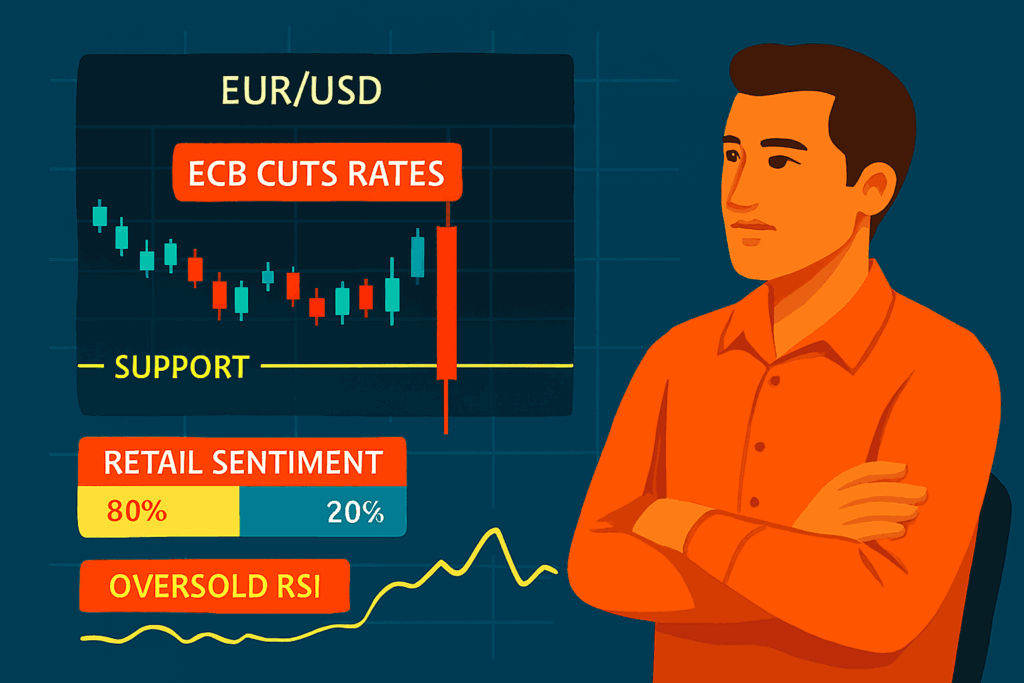
Imagine an unexpected ECB rate cut is announced. EUR/USD spikes downward. A trader notices:
- The initial drop exceeds 100 pips within minutes.
- Retail sentiment is heavily short, but the pair is approaching long-term support.
- Technical indicators suggest oversold conditions.
Instead of immediately jumping in to short, the trader waits for a retracement or a clear breakout below support. This patience reduces the risk of entering during a chaotic spike while still allowing participation in the larger move.
Conclusion
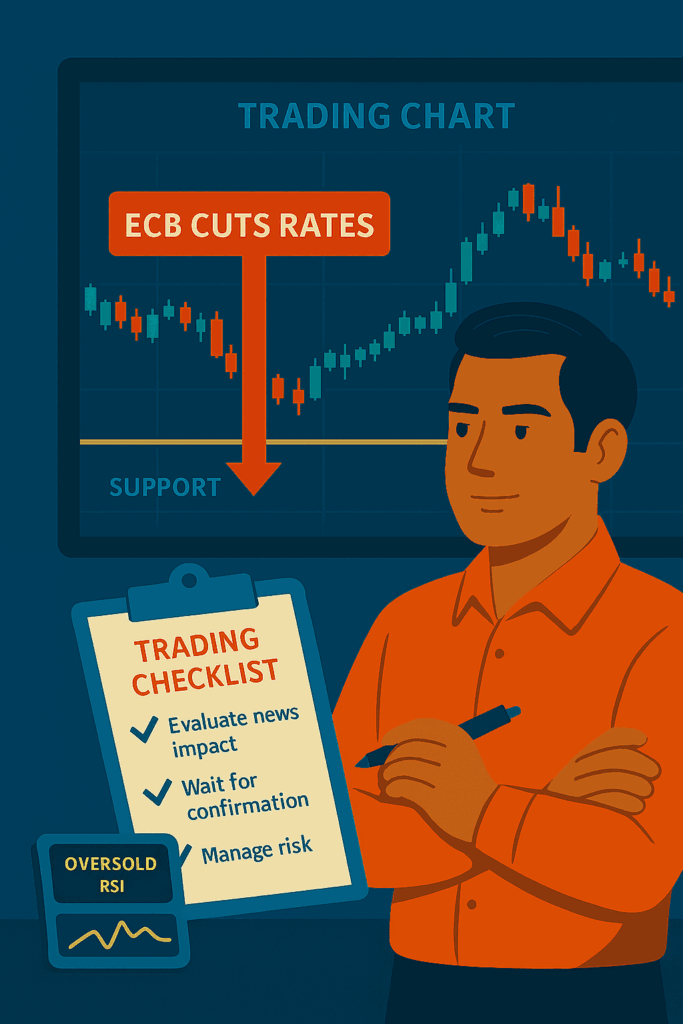
Breaking news offers both opportunities and pitfalls in forex trading. Successful traders know how to evaluate the situation, gauge market sentiment, and determine whether to enter immediately, wait for confirmation, or stay out entirely. Integrating technical analysis, sentiment data, and proper risk management ensures that news-driven trades are approached methodically rather than impulsively.
By learning to read market reactions to news, traders can protect their capital, identify high-probability setups, and take advantage of volatility while avoiding unnecessary losses. Discipline, timing, and preparation remain the keys to navigating the fast-paced environment that breaking news creates.