
In fast-moving forex markets, spotting high-probability setups in real time is a skill that separates disciplined traders from reactive ones. These setups are trades that offer favorable risk/reward ratios, align with prevailing trends, and have technical and/or fundamental confirmations. By combining multiple indicators, monitoring key levels, and using disciplined entry rules, traders can increase their chances of success while managing risk effectively.
Start with Market Context

Before looking for specific entries, establish the market context:
- Trend Analysis: Determine whether the market is trending, ranging, or consolidating. Use moving averages, trendlines, and higher-timeframe charts to confirm the dominant direction. Trades that align with the overall trend often have higher success probabilities.
- Volatility Assessment: Identify periods of high and low volatility using ATR (Average True Range) or historical price swings. High-volatility conditions provide bigger intraday opportunities but require tighter risk management.
- News Awareness: Economic releases, central bank announcements, and geopolitical events can create sudden spikes. Avoid entering setups immediately before major news unless your strategy is news-sensitive.
Identify Key Levels
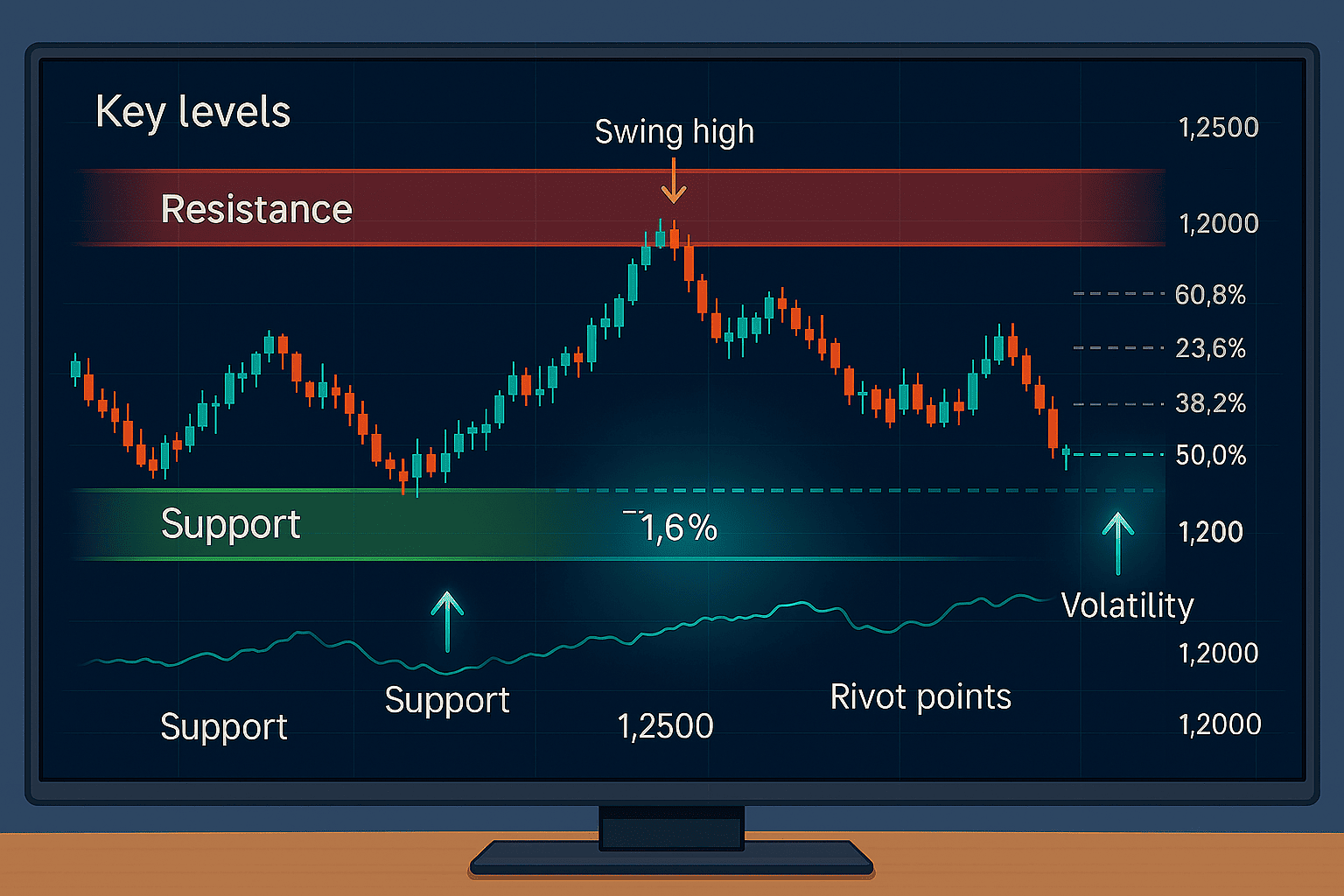
High-probability setups often occur around well-defined support and resistance zones:
- Support Levels: Areas where buyers consistently enter the market, causing price to bounce upward.
- Resistance Levels: Zones where selling pressure consistently appears, pushing price down.
- Pivot Points & Round Numbers: Intraday traders frequently watch these levels for quick reactions.
Combining multiple levels such as a support coinciding with a Fibonacci retracement or a previous swing low strengthens the probability of a successful trade.
Use Confluence for Confirmation
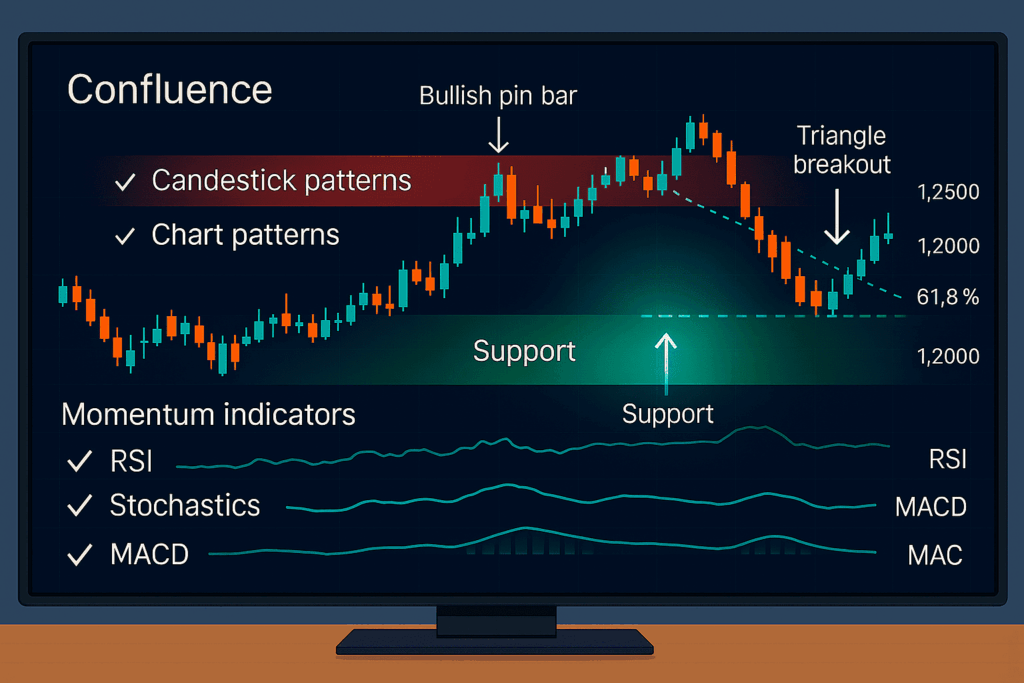
A single indicator rarely provides enough certainty. High-probability setups emerge when multiple signals align:
- Candlestick Patterns: Reversal patterns like pin bars, engulfing candles, or doji at key levels indicate potential turning points.
- Momentum Indicators: RSI, Stochastics, or MACD can confirm whether a currency is overbought, oversold, or gaining momentum in the trend direction.
- Chart Patterns: Flags, triangles, and head-and-shoulders formations offer visual cues for potential continuation or reversal setups.
The more factors that converge at a specific price zone, the stronger the probability that the trade will work in your favor.
Timing the Entry
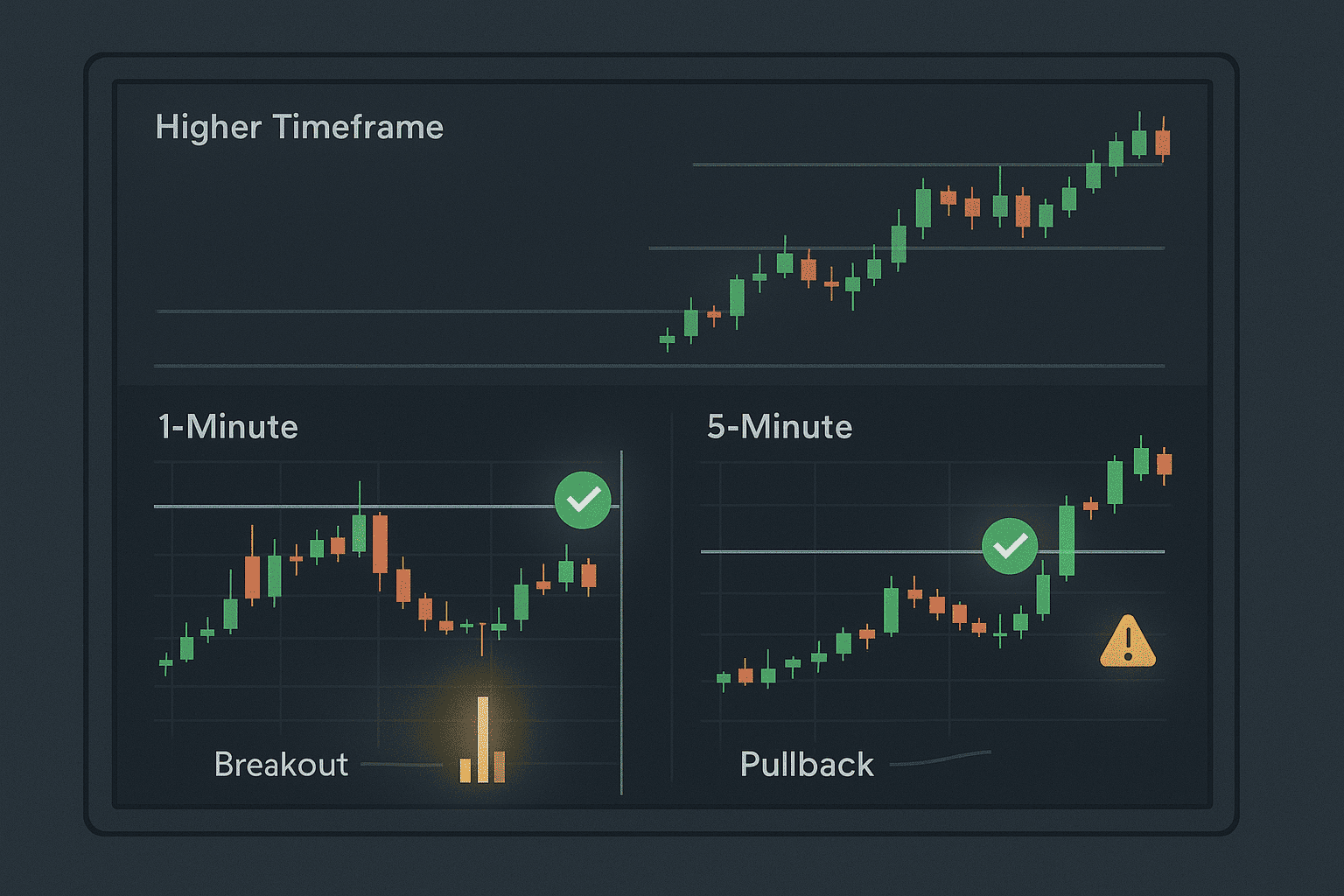
Precision is critical in real-time setups:
- Micro Timeframes: Use 1-minute or 5-minute charts for intraday timing while keeping higher-timeframe trends in mind.
- Breakout Confirmation: For breakout trades, wait for candle closes above resistance or below support, ideally accompanied by volume spikes.
- Pullback Entries: In trends, wait for retracements toward support or resistance to enter at a favorable risk/reward point rather than chasing price.
Manage Risk Effectively
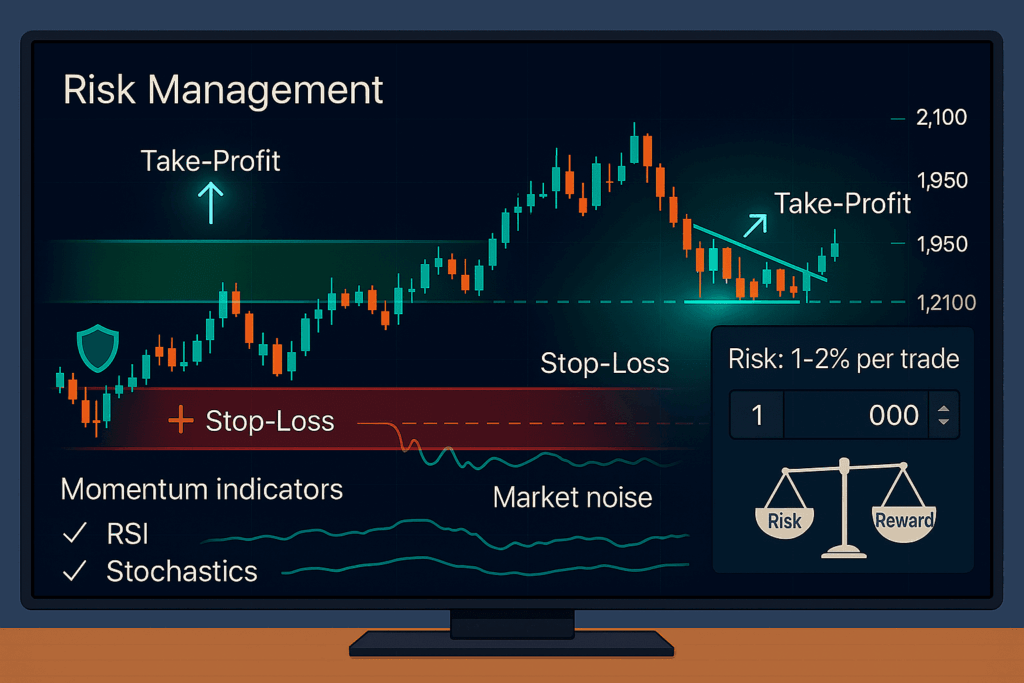
Even high-probability setups carry risk, so disciplined risk management is essential:
- Stop-Loss Placement: Position stops just beyond key support/resistance zones, factoring in market noise.
- Position Sizing: Adjust trade size according to account balance and maximum acceptable risk per trade, typically 1–2%.
- Profit Targets: Use recent highs/lows, pivot points, or measured move projections to set realistic take-profit levels, ensuring a favorable reward-to-risk ratio.
Practical Example
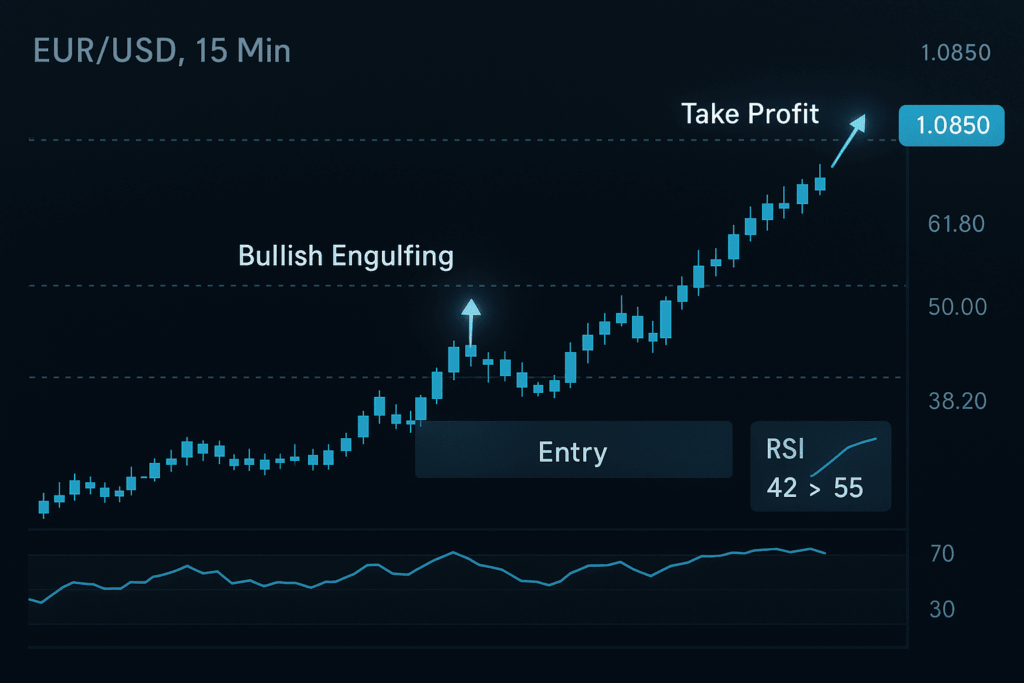
Suppose EUR/USD is trending upward on a 15-minute chart. A retracement forms near a Fibonacci 38.2% level coinciding with a previous intraday support. A bullish engulfing candlestick appears, and RSI moves from 42 to 55. Entering long at this confluence zone, placing a stop below the support, and targeting the recent swing high creates a high-probability intraday setup.
Conclusion
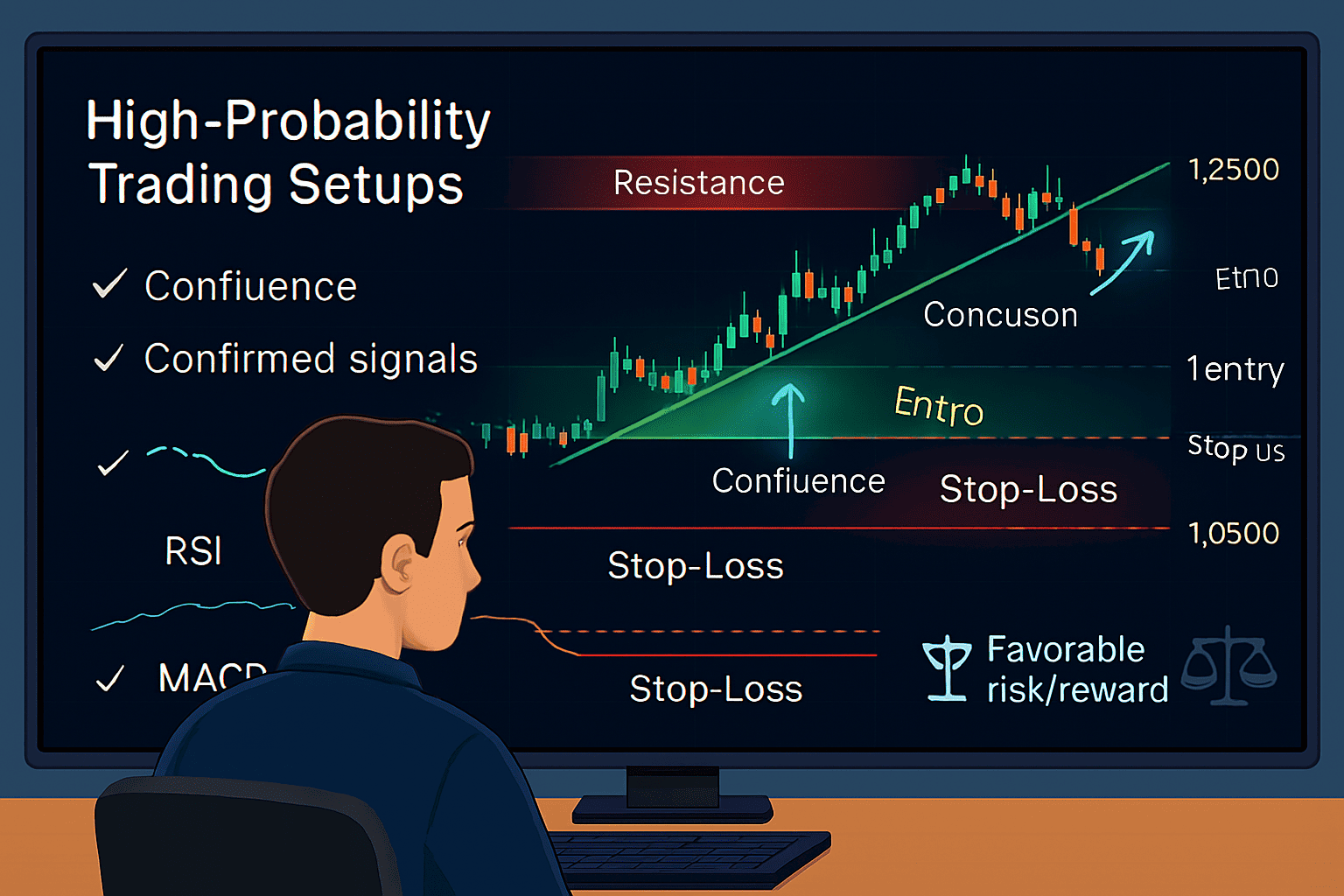
Identifying high-probability setups in real time requires a combination of trend analysis, support/resistance recognition, indicator confirmation, and disciplined risk management. Traders who focus on confluence and structured entries avoid impulsive decisions and maximize the potential of favorable risk/reward trades.
By mastering these techniques, traders can systematically recognize and act on the best opportunities in fast-moving markets, turning high-probability setups into consistent trading results while keeping risk under control.